

A New View at the Winery
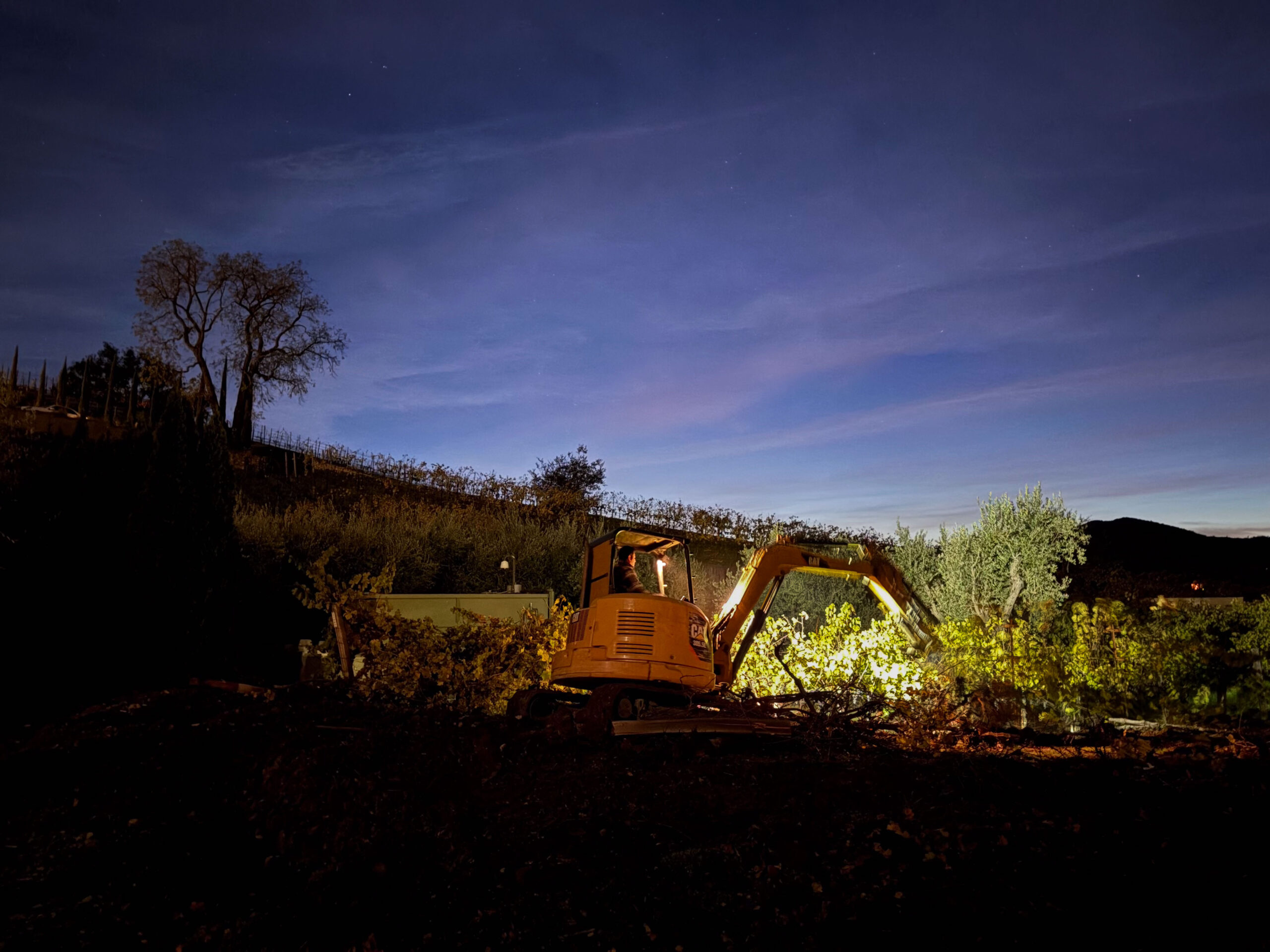
If you visited the winery in December, you may have noticed something was a little different as you turned off Oakville Crossroad. It may have been a surprising new sight as an empty vineyard greeted you. Replanting a vineyard is a thoughtful, time-intensive process. Over the coming months, we’ll plan new row orientations, select varietals, and source new rootstock. As a result, it will be about a year before new vines are planted.
In the meantime, the land won’t sit idle. We’ve seeded a mix of wildflowers that will bloom at different times throughout the year, adding beauty, supporting biodiversity, and giving us all something new to enjoy while we prepare for the vineyard’s next chapter. It may take some getting used to, but we think it’ll be a pretty lovely intermission.
Stay tuned, this is just the beginning.
Why rip out and replant a vineyard?
A well-tended, healthy vineyard can produce exceptional fruit for decades. In fact, our Monterosso Vineyard Zinfandel comes from vines more than 120 years old, and our Beckstoffer Bourn Vineyard Petite Sirah is sourced from vines over 70 years old.
That said, most vineyards are typically replanted about once every 25 years.
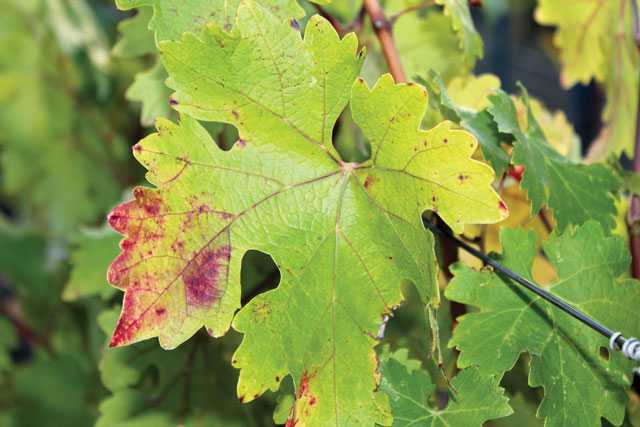
In our case, the estate vines were much younger, only 11–13 years old, but they were affected by a virus known as Red Blotch Virus, named for the red patterns that appear on the leaves of infected vines.
What is Red Blotch Virus, and how did it get here?
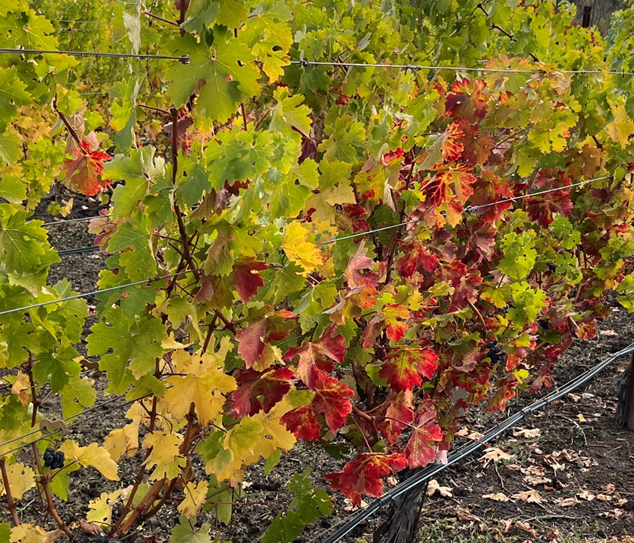
The virus is called Red Blotch because of the patterns of red color that the leaves display when they are infected. Once infected, a vine fights off the virus, causing it to expend extra energy, making it nearly impossible for these vines to fully and evenly ripen their fruit. Vines can sometimes arrive at the vineyard already infected. Either the rootstock or the scion may carry the virus before planting or grafting. Because the infection was most concentrated in the center of the largest vineyard block, this is the most likely explanation in our case.
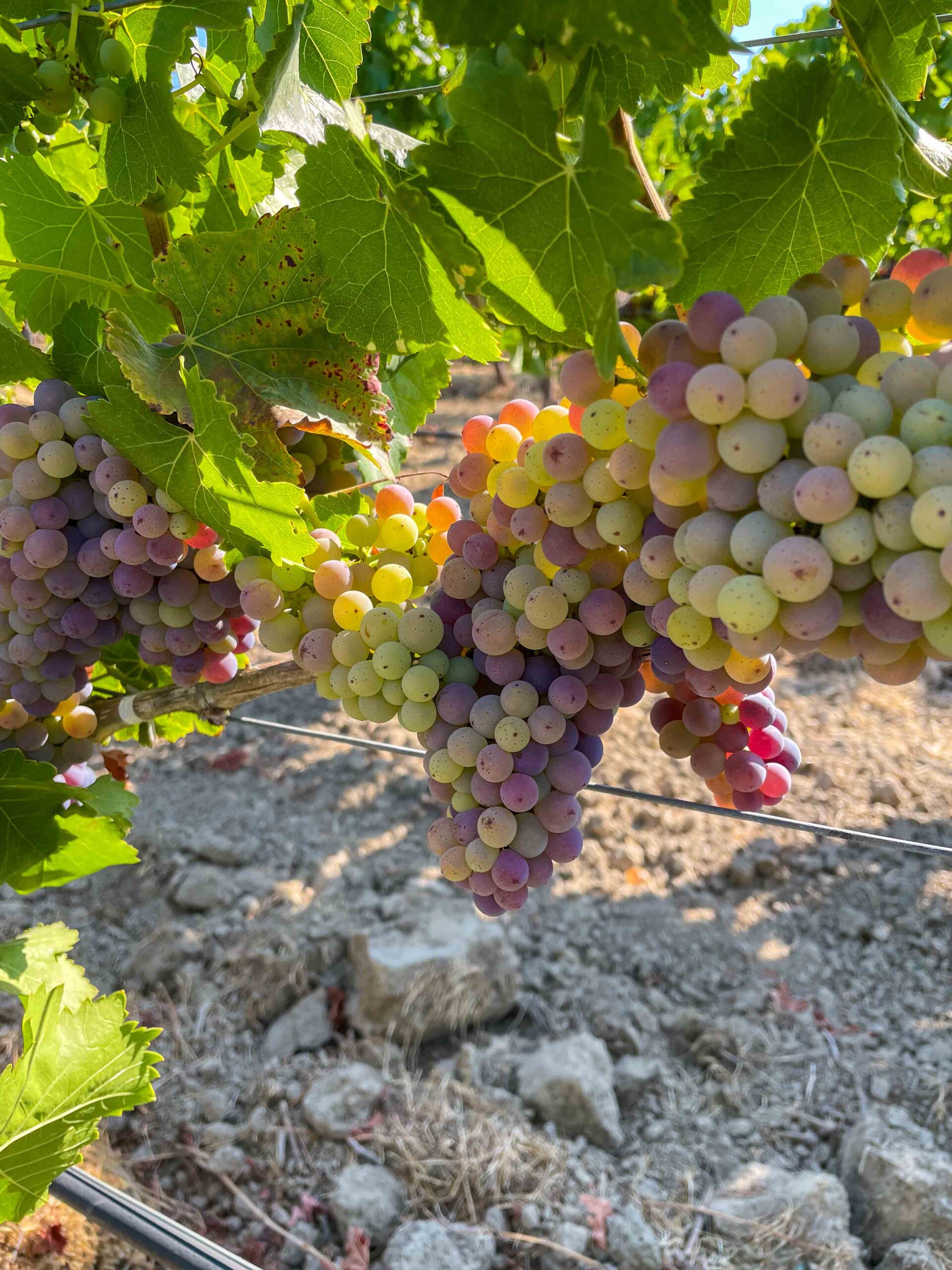
About 15% of the vines showed visible symptoms, but Red Blotch is especially challenging because it can spread undetected. The virus is transmitted from vine to vine by tiny insects in the leafhopper and treehopper families. Even more concerning, vines can be infected without exhibiting symptoms for a period of time. Pulling out only the symptomatic vines leaves open the possibility that the remaining vines are infected.
For this reason, the only truly effective solution is to remove the entire vineyard and start fresh. The good news is that Red Blotch Virus does not live in the soil, nor does it reproduce within the insects themselves. Once the vines are removed, the site is essentially virus-free.
See the Process


Thanks for sharing and very much appreciate your attention to the detail of producing quality grapes 🍇